
Smart home technology has transformed the way we live, making our homes safer, more convenient, and more efficient. Among the many devices in a smart home, smart home security cameras have emerged as essential tools for modern households.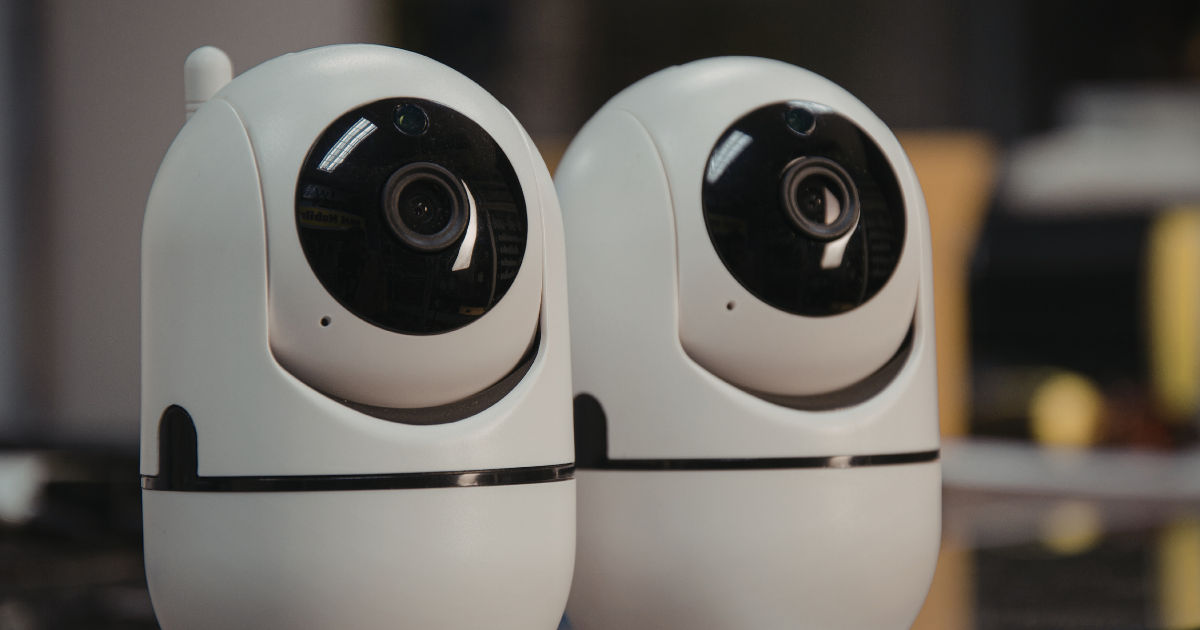
These cameras do more than just record footage—they can automate a wide range of tasks, helping homeowners save time, increase safety, and improve overall home management.
In this guide, we will explore what smart home security cameras can automate, how these features work, and why investing in them is a smart decision for any household.
Understanding Smart Home Security Cameras
Before diving into the automation capabilities, it’s important to understand what smart home security cameras are. Unlike traditional security cameras, smart cameras are connected to the internet and integrate with other smart home devices. They are equipped with sensors, artificial intelligence (AI), motion detection, and sometimes even facial recognition, allowing them to perform tasks automatically.
Some common features of smart home security cameras include:
-
Real-time alerts to your smartphone
-
Motion and sound detection
-
Night vision capabilities
-
Cloud storage of footage
-
Integration with other smart home devices, such as lights, locks, and alarms
These features make them not only security devices but also automation tools that enhance daily life.
Motion-Activated Recording and Alerts
One of the most basic yet powerful automation features of smart home security cameras is motion detection. These cameras can automatically detect movement in their field of view and respond without any human intervention.
How It Works:
Motion sensors in the camera detect activity and trigger recording. Some advanced models use AI to distinguish between humans, pets, and objects, reducing false alerts.
Benefits:
-
Receive instant alerts when motion is detected
-
Automatically record suspicious activity
-
Reduce unnecessary storage usage by only recording relevant events
For example, a female Quran teacher working from home can rely on motion detection to ensure her property is secure while she teaches online sessions without constantly checking the camera feed.
Smart Notifications and Alerts
Beyond recording motion, smart home security cameras can send automated notifications to your devices. These notifications can be customized based on the type of event, time of day, or even who is detected in the camera feed.
Examples:
-
Notify you if someone enters your backyard after dark
-
Alert when a delivery is dropped off at your front door
-
Send reminders when a pet is detected in a restricted area
These automated alerts mean you don’t have to monitor your home constantly. The camera acts as an intelligent assistant, allowing you to respond only when necessary.
Integration with Smart Home Devices
A major advantage of smart home security cameras is their ability to integrate with other smart devices, enabling complex automation routines. For instance, you can set up your camera to trigger lights, locks, or alarms based on detected activity.
Automation Examples:
-
Turn on porch lights when someone approaches the door
-
Lock doors automatically when the camera detects no one is home
-
Trigger sirens or alarms during unauthorized access
This integration transforms your camera from a passive observer to an active part of your home security ecosystem.
Facial Recognition and Personalized Automation
Advanced smart home security cameras offer facial recognition, allowing the camera to identify familiar faces. This feature can automate responses based on who enters the home.
How It Works:
The camera creates a database of faces. When a recognized person is detected, it can trigger custom actions, such as:
-
Disarming alarms when family members enter
-
Sending specific notifications only when strangers are detected
-
Adjusting smart home settings for different people, like temperature or lighting
For a female Quran teacher hosting online sessions at home, this means the camera can help maintain privacy by alerting her only to unknown visitors while ignoring familiar household members.
Activity Zones and Smart Monitoring
Many smart home security cameras allow users to define activity zones—specific areas within the camera’s field of view to monitor closely. This enables highly targeted automation.
Benefits:
-
Reduce unnecessary alerts from busy streets or sidewalks
-
Focus on sensitive areas, like entrances or windows
-
Automate specific actions when activity occurs in these zones
By setting up activity zones, homeowners can ensure cameras respond intelligently to meaningful events rather than triggering false alarms.
Automation for Package and Delivery Management
With the rise of online shopping, managing deliveries has become a priority. Smart home security cameras can automate this process in several ways.
Features Include:
-
Detecting packages at the doorstep and sending notifications
-
Capturing photos or videos of deliveries for proof
-
Integrating with smart locks or storage boxes to secure packages automatically
This ensures homeowners, including busy professionals like a female Quran teacher, can receive deliveries safely without interrupting their work.
Pet Monitoring and Automation
Smart home security cameras are not only for humans—they can also monitor pets and automate related actions.
Automation Features for Pets:
-
Notify you when pets enter restricted areas
-
Track pet movement and daily activity
-
Integrate with feeders or pet doors for automated access
This adds an extra layer of convenience, allowing pet owners to manage their furry friends even when away from home.
Night Vision and Low-Light Automation
Security is essential 24/7, and smart cameras come equipped with night vision or low-light detection. Some cameras can automatically switch to night mode when light levels drop, ensuring continuous monitoring.
Benefits:
-
Automatic adaptation to lighting conditions
-
Capture clear footage in darkness
-
Trigger lights or alarms if unusual activity is detected at night
For families or individuals working late hours, like a female Quran teacher conducting night classes, this automation ensures safety without manual intervention.
Cloud Storage and Automated Recording
Another automation feature of smart home security cameras is cloud storage. Cameras can automatically upload recordings to secure online storage, ensuring footage is preserved even if the device is damaged or stolen.
Advantages:
-
Automatic backup of all important events
-
Easy access to footage from anywhere
-
Reduces dependency on local storage devices
Cloud automation ensures that homeowners don’t have to worry about manually saving or managing recordings.
Voice Control and Smart Assistants
Integration with smart assistants like Alexa, Google Assistant, or Siri can automate camera control through voice commands. This makes managing security effortless.
Examples:
-
“Show me the front door camera” triggers live feed
-
“Turn on camera recording” during specific times
-
Automate routines like locking doors and arming cameras with a single command
Voice-controlled automation adds convenience and accessibility, especially for individuals with busy schedules.
Emergency Response Automation
Some smart home security cameras can automate emergency responses by connecting to professional monitoring services. If the camera detects a serious security breach, it can alert authorities automatically.
Features:
-
Automated police or security alerts
-
Integration with fire and smoke detection systems
-
Triggering alarms or emergency lights
This provides peace of mind, knowing the system can respond to emergencies even if you are not home.
Energy Efficiency and Cost Savings
Automation via smart home security cameras can indirectly save energy and reduce costs. By integrating with lighting and HVAC systems, cameras can adjust settings based on occupancy or activity.
Examples:
-
Turn off lights in unoccupied rooms
-
Adjust thermostats when no one is home
-
Reduce energy consumption during low-activity periods
Smart automation ensures homes are not only secure but also energy-efficient.
Advanced AI and Predictive Automation
The latest smart home security cameras leverage AI for predictive automation. These cameras analyze patterns and anticipate events, enabling proactive security measures.
Examples:
-
Predict when and where intrusions are likely to occur
-
Recognize unusual patterns of movement
-
Adjust monitoring intensity based on historical data
This level of automation turns the security system into an intelligent partner in protecting your home.
Choosing the Right Smart Home Security Camera
With so many options available, selecting the right camera depends on your needs. Consider factors such as:
-
Indoor vs. outdoor use
-
Integration with existing smart home devices
-
AI and facial recognition capabilities
-
Storage options and cloud support
-
Ease of use and mobile app functionality
Investing in the right smart home security cameras ensures you can fully leverage automation features and maximize your home’s safety.
Installation Tips for Maximum Automation
To get the most out of your smart home security cameras, proper installation is key. Here are some tips:
-
Place cameras at entry points and high-traffic areas
-
Use activity zones to avoid false alerts
-
Ensure Wi-Fi coverage is strong in camera locations
-
Integrate cameras with lights, locks, and alarms for seamless automation
-
Test notifications and automated routines regularly
Following these steps ensures your system operates efficiently and effectively.
Conclusion
Smart home technology has redefined home security, and smart home security cameras are at the forefront of this transformation. Beyond simply recording footage, these cameras can automate motion detection, notifications, facial recognition, emergency responses, pet monitoring, energy efficiency, and much more. With integration capabilities, AI-driven insights, and predictive automation, they act as intelligent assistants, enhancing safety, convenience, and peace of mind.
For anyone, including a female Quran teacher or a busy professional, investing in these cameras allows you to focus on daily life without constantly worrying about security. By leveraging the full potential of smart home security cameras, your home becomes not just a living space, but a smart, responsive environment that protects, alerts, and assists you at all times.
