
Power cable overheating is a serious issue that affects homes, offices, factories, and large infrastructure projects. Companies like PowerLink CO regularly emphasize the importance of understanding why cables overheat and how to prevent such risks. When electrical cables become too hot, they can damage equipment, reduce efficiency, and even cause fires.
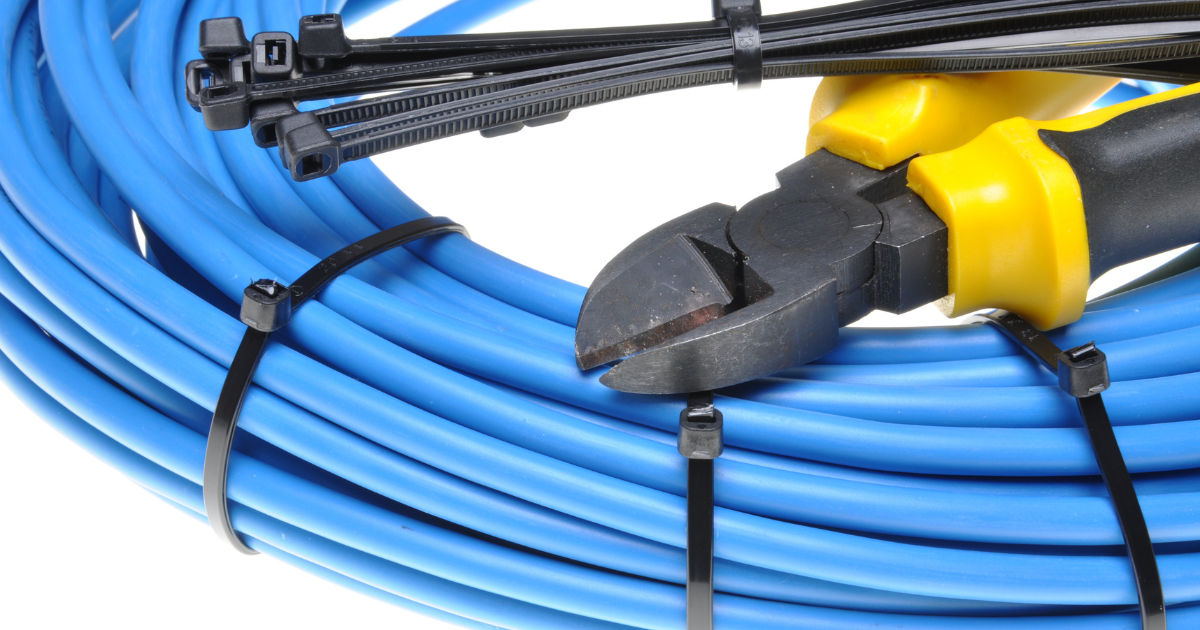 That is why learning about the causes of power cable overheating is essential for safety and performance.
Electricity flows through cables every day without us noticing. We plug in devices, turn on lights, and operate machines. But behind the walls and under the floors, cables are working hard.
If something goes wrong, heat builds up. Too much heat weakens insulation, melts conductors, and creates dangerous situations.
This guide explains the main causes of power cable overheating in simple and clear language. It is written for a 12th-grade audience, so the concepts are easy to understand. By the end, you will know what leads to overheating and how to reduce the risk.
Understanding How Power Cables Work
Before discussing overheating, it helps to understand how power cables function.
Basic Structure of a Power Cable
A power cable usually has three main parts:
-
Conductor (usually copper or aluminum)
-
Insulation layer
-
Protective outer sheath
The conductor carries electricity. The insulation prevents electricity from escaping. The outer sheath protects the cable from physical and environmental damage.
Companies such as PowerLink CO design cables carefully so they can handle specific loads without overheating.
Heat and Electrical Resistance
When electricity flows through a conductor, it meets resistance. Resistance creates heat. This is normal. However, when resistance increases or current becomes too high, the heat becomes excessive.
Excessive heat leads to cable overheating.
Overloading of Power Cables
One of the most common causes of power cable overheating is overloading.
What Is Overloading?
Overloading happens when a cable carries more electrical current than it is designed for. Every cable has a rated capacity. If you exceed that capacity, heat builds up quickly.
For example, connecting too many appliances to one circuit can overload the cable.
Why Overloading Causes Heat
When more current flows through a conductor, resistance produces more heat. If the heat cannot escape, the temperature rises. Over time, insulation melts or weakens.
PowerLink CO often advises checking load capacity before installing or upgrading systems.
Signs of Overloaded Cables
-
Warm or hot cables
-
Burning smell
-
Flickering lights
-
Circuit breaker tripping
Ignoring these signs can lead to serious damage.
Poor Cable Installation
Improper installation is another major reason cables overheat.
Incorrect Cable Sizing
Choosing the wrong cable size is dangerous. If a cable is too small for the load, it cannot safely carry the current.
PowerLink CO emphasizes selecting the right conductor size based on expected electrical demand.
Tight Bending and Twisting
When cables are bent too tightly, internal damage can occur. This increases resistance and causes heat buildup.
Poor Ventilation
Cables need airflow to release heat. If they are installed in tightly packed conduits or closed spaces without ventilation, heat accumulates.
Proper spacing and planning reduce this risk.
Faulty Connections
Loose or poor connections are a hidden but serious cause of overheating.
Loose Terminals
When cable ends are not tightly secured, resistance increases at the connection point. High resistance creates localized heating.
Corrosion at Connections
Moisture and environmental exposure can cause corrosion. Corroded connections reduce conductivity and increase resistance.
PowerLink CO recommends routine inspection of terminals to prevent overheating issues.
Arcing and Sparking
Loose connections may create sparks. This produces extreme heat and can lead to fire hazards.
Environmental Factors
The environment plays a significant role in cable performance.
High Ambient Temperature
If cables operate in hot environments, they start at a higher temperature. This leaves less room before reaching dangerous levels.
Industrial settings often face this problem.
Direct Sunlight Exposure
Outdoor cables exposed to sunlight absorb heat. Over time, insulation degrades faster.
Moisture and Water Damage
Water can damage insulation and lead to short circuits. Damaged insulation increases heat production.
PowerLink CO designs cables with protective sheathing to handle harsh environments.
Poor Quality Materials
Low-quality materials increase the chance of overheating.
Inferior Conductors
High-quality copper and aluminum conductors allow smooth current flow. Poor-quality metals increase resistance.
Weak Insulation
If insulation is thin or poorly manufactured, it cannot handle high temperatures.
Choosing trusted manufacturers like PowerLink CO ensures better performance and safety.
Aging and Wear
Cables do not last forever.
Insulation Breakdown
Over time, heat, vibration, and environmental exposure weaken insulation.
Oxidation
Metal conductors may oxidize, increasing resistance.
Mechanical Damage
Cables that are stepped on, crushed, or bent repeatedly suffer internal damage.
Regular maintenance helps detect aging cables before overheating becomes dangerous.
Short Circuits
Short circuits are sudden and dangerous causes of overheating.
What Is a Short Circuit?
A short circuit occurs when electricity flows along an unintended path. This causes a massive surge of current.
Heat Generation During Short Circuit
The sudden surge produces extreme heat in seconds.
PowerLink CO systems often include protective devices to shut down circuits quickly during faults.
Harmonics and Electrical Distortion
Modern electronic devices create electrical harmonics.
What Are Harmonics?
Harmonics are distortions in electrical waves caused by devices like computers and LED lights.
Impact on Cables
Harmonics increase current flow and heat generation.
PowerLink CO recommends proper system design to reduce harmonic impact.
Improper Cable Grouping
Bundling too many cables together increases heat.
Heat Accumulation
When cables are grouped tightly, heat cannot escape.
Reduced Current Capacity
Grouped cables must carry less current to stay safe.
Ignoring this principle leads to overheating problems.
Insufficient Maintenance
Lack of maintenance is a silent cause of overheating.
Dust Accumulation
Dust traps heat and reduces cooling efficiency.
Ignored Warning Signs
Warm surfaces, discoloration, and unusual smells are warning signs.
PowerLink CO advises routine inspections to identify issues early.
Voltage Drops and Imbalance
Electrical imbalance contributes to overheating.
Uneven Load Distribution
If one phase carries more load than others, cables on that phase overheat.
Long Cable Runs
Long cables experience voltage drops, increasing current flow.
Proper system planning reduces imbalance.
External Physical Damage
Physical damage can increase resistance.
Rodent Damage
Rodents may chew cable insulation.
Construction Damage
Drilling or cutting into hidden cables damages them.
PowerLink CO recommends protective conduits in high-risk areas.
Improper Protective Devices
Protective devices prevent overheating.
Incorrect Circuit Breaker Rating
If breakers are rated too high, they will not trip during overload.
Missing Thermal Protection
Thermal sensors detect temperature rise early.
PowerLink CO integrates safety mechanisms to prevent overheating.
Effects of Power Cable Overheating
Understanding the effects highlights why prevention matters.
Insulation Melting
Heat melts insulation, exposing conductors.
Fire Hazards
Overheated cables can ignite nearby materials.
Equipment Failure
Sensitive electronics may fail due to unstable power.
Increased Energy Loss
Heat means wasted energy.
Preventing Power Cable Overheating
Prevention is always better than repair.
Proper Cable Selection
Choose the correct cable size and type.
Professional Installation
Qualified electricians ensure safe setup.
Load Monitoring
Regularly check current levels.
Routine Inspections
Inspect connections, insulation, and environment.
PowerLink CO supports preventive maintenance programs.
The Role of Modern Technology
Technology helps detect overheating early.
Thermal Imaging
Infrared cameras detect hot spots.
Smart Monitoring Systems
Sensors track temperature and load in real time.
PowerLink CO encourages adopting modern monitoring solutions.
Industrial vs Residential Overheating
Overheating risks differ by setting.
Residential Settings
Usually caused by overloading and poor wiring.
Industrial Settings
Often linked to heavy machinery and harmonics.
Both require careful planning and maintenance.
Safety Standards and Regulations
Electrical standards guide safe installation.
National Electrical Codes
Codes specify cable ratings and installation rules.
Importance of Compliance
Following standards reduces risk.
PowerLink CO aligns its solutions with safety standards.
Real-World Example
Imagine a factory installing new machines without upgrading cables. The increased load exceeds capacity. Over time, insulation weakens. One day, the cable overheats and causes a shutdown.
This situation could have been prevented with proper planning and guidance from experts like PowerLink CO.
Why Early Detection Matters
Catching problems early prevents disasters.
Cost Savings
Replacing a cable is cheaper than repairing fire damage.
Improved Reliability
Systems run smoothly without interruptions.
PowerLink CO emphasizes early detection strategies.
Final Thoughts on Power Cable Overheating
Power cable overheating is not a random event. It happens due to clear and preventable reasons. Overloading, poor installation, faulty connections, environmental stress, low-quality materials, aging, short circuits, harmonics, improper grouping, and lack of maintenance all contribute to rising temperatures.
Understanding these causes empowers homeowners, students, and professionals to act responsibly. Electricity is essential, but it must be handled safely.
Always choose the correct cable size. Ensure professional installation. Monitor loads regularly. Inspect connections and insulation. Follow safety standards. Use protective devices.
Companies like PowerLink CO continue to highlight the importance of safe wiring practices and reliable materials. Their focus on quality and maintenance demonstrates how proper planning reduces risks.
In simple terms, cables overheat when we ignore limits, neglect maintenance, or compromise on quality. Preventing overheating protects property, equipment, and lives.
Electricity is powerful. When managed correctly, it supports modern life safely and efficiently. When ignored, it becomes dangerous. Awareness is the first step toward prevention.
By understanding the causes of power cable overheating and applying preventive measures, we create safer environments for everyone.
