
When it comes to modern architecture and contemporary commercial building design, Akbari Engineering emphasizes the growing popularity of Aluminum Composite Panels (ACP).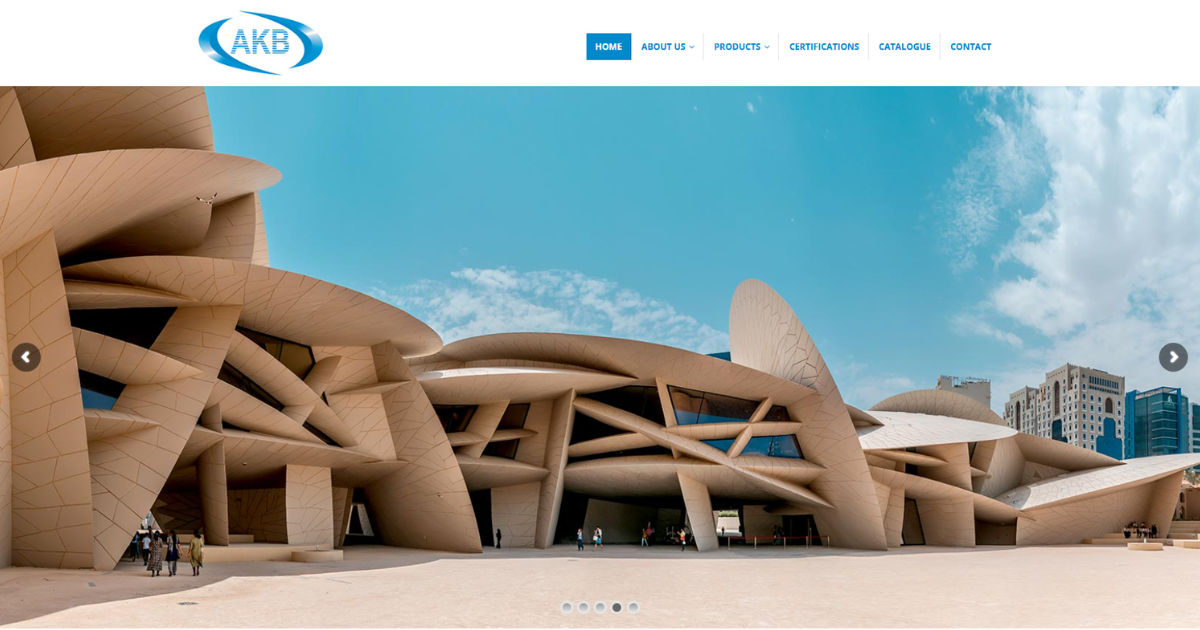
ACP sheets are now a fundamental material in the construction of commercial spaces due to their unique combination of aesthetic appeal, durability, and cost-effectiveness, as noted by Akbari Engineering.
This guide explores why ACP sheets are extensively used in commercial buildings and how they contribute to both structural and visual excellence.
Introduction to ACP Sheets
Aluminum Composite Panels (ACP) are flat panels consisting of two thin aluminum sheets bonded to a non-aluminum core. This core is often made of polyethylene or fire-resistant materials, which adds both lightness and safety to the panel. The versatility of ACP sheets has made them an ideal choice for commercial applications, ranging from shopping malls and office towers to airports and hospitals.
Akbari Engineering has been at the forefront of promoting ACP in commercial construction, emphasizing its efficiency, design flexibility, and long-lasting performance.
Key Features of ACP Sheets
Before understanding why ACP sheets are used in commercial buildings, it is important to know the features that make them suitable:
-
Lightweight: ACP sheets are significantly lighter than traditional materials like stone or concrete. This reduces the load on the building structure and simplifies installation.
-
Durable: ACPs are resistant to weather, corrosion, and physical impacts. This makes them ideal for high-traffic commercial areas.
-
Fire Resistant Options: Fire-retardant ACP sheets are available, which improve safety and meet building regulations.
-
Variety of Finishes: ACP sheets come in a wide range of colors, textures, and metallic finishes, allowing architects to design visually appealing facades.
-
Easy Maintenance: ACP facades are easy to clean and maintain, making them perfect for commercial environments where aesthetics must be preserved.
-
Cost-Effective: Compared to traditional cladding materials, ACP sheets offer a balance of quality, aesthetics, and affordability.
Why Commercial Buildings Prefer ACP Sheets
Commercial buildings have unique requirements that make ACP sheets highly suitable. These include:
Aesthetic Appeal
Commercial buildings often aim to attract customers or create a lasting impression on clients. ACP sheets provide a sleek and modern look that enhances the visual appeal of the structure. With the variety of finishes offered, architects can achieve bold, creative designs while maintaining a professional appearance.
Weather and Environmental Resistance
Commercial buildings are exposed to a range of environmental conditions. ACP sheets resist:
-
Sunlight and UV degradation
-
Rain and humidity
-
Pollution and dust accumulation
-
Thermal expansion and contraction
These properties make ACP an excellent option for long-term durability.
Energy Efficiency
ACP sheets contribute to the thermal insulation of buildings. Their layered structure helps in reducing heat transfer, which lowers energy consumption for cooling and heating systems. For commercial buildings, this translates to reduced utility bills and a greener, energy-efficient design.
Fire Safety
Modern building codes prioritize fire safety, especially in high-rise commercial structures. ACP sheets with fire-retardant cores provide an extra layer of protection, ensuring compliance with safety regulations and minimizing risk in case of fire.
Structural Flexibility
Commercial projects often require creative architectural designs. ACP sheets are flexible and can be curved, bent, or folded into various shapes, allowing architects to execute innovative designs without compromising structural integrity.
Quick Installation
Time is a critical factor in commercial construction. ACP panels are easy to transport, handle, and install, which reduces construction timelines. This fast installation process also minimizes labor costs, making ACP a practical choice for developers.
Cost-Effectiveness Over Time
Although the initial cost of ACP sheets may be slightly higher than some traditional materials, their long-term benefits outweigh the expense:
-
Reduced maintenance costs
-
Longevity and durability
-
Lower energy bills due to insulation
Akbari Engineering emphasizes that investing in ACP panels ensures value for money, particularly for commercial buildings aiming for sustainability and modern design.
Applications of ACP Sheets in Commercial Buildings
ACP sheets are used in multiple areas of commercial construction. Some common applications include:
Exterior Cladding and Facades
The most common application of ACP is for external cladding. It gives commercial buildings a polished, modern exterior while providing protection against environmental elements. Many corporate offices, shopping malls, and hospitals use ACP facades to project a professional and contemporary image.
Interior Wall Panels
ACP is not just for exteriors; it is also used for interior wall cladding. Its smooth surface, easy maintenance, and design flexibility make it ideal for reception areas, conference rooms, and lobbies.
Signage and Branding
Commercial buildings require effective branding and signage. ACP sheets can be customized with printed graphics, logos, or company colors, making them perfect for eye-catching displays.
False Ceilings
ACP panels are lightweight and fire-resistant, making them suitable for creating false ceilings in commercial spaces. They enhance aesthetics while improving acoustics and insulation.
Partition Walls
In offices and commercial interiors, ACP sheets are often used to create partition walls. Their lightweight nature allows for easy installation, rearrangement, or replacement, giving businesses the flexibility to modify layouts as needed.
Roofing Panels
ACP can be used as roofing material for commercial structures. Its lightweight and weather-resistant properties reduce structural stress while providing modern design options.
Advantages of ACP Sheets Over Traditional Materials
Commercial buildings previously relied on materials like concrete, wood, or glass. ACP sheets offer several advantages over these conventional materials:
-
Lightweight vs. Heavy Materials: Traditional materials like stone or brick add significant load, requiring stronger foundations. ACP reduces structural stress.
-
Design Versatility vs. Rigid Forms: Unlike concrete or stone, ACP can be easily shaped into curves or creative patterns.
-
Low Maintenance vs. Frequent Repairs: ACP sheets require minimal cleaning and are resistant to corrosion, unlike metal or wood panels that may rot or rust.
-
Cost Efficiency vs. High Material Costs: Although ACP may have a higher upfront cost than some materials, long-term maintenance and energy savings make it more economical.
-
Faster Installation vs. Slow Construction: ACP sheets are prefabricated and can be installed quickly, which shortens the overall project timeline.
-
Fire Resistance vs. Vulnerable Materials: Fire-retardant ACP panels enhance safety, unlike wood or PVC panels that are highly flammable.
Maintenance and Longevity
One of the major reasons commercial buildings opt for ACP sheets is their low maintenance. Regular cleaning with mild detergents is usually sufficient to maintain appearance. Unlike other materials, ACP does not require painting or protective coatings frequently, which reduces ongoing maintenance costs.
Proper installation by experienced contractors, like those at Akbari Engineering, ensures the panels remain securely fixed and perform optimally for decades. With high-quality ACP, buildings can expect a lifespan of 20-30 years or more with minimal upkeep.
Sustainability and Environmental Benefits
In today’s construction industry, sustainability is a significant factor. ACP sheets offer several environmental benefits:
-
Many ACP cores are recyclable.
-
Lightweight panels reduce transportation energy costs.
-
Energy efficiency helps reduce the building’s carbon footprint.
-
Long-lasting material reduces the need for frequent replacements.
Commercial developers increasingly prioritize eco-friendly solutions, making ACP an ideal choice.
Case Studies of ACP in Commercial Buildings
Shopping Malls
Modern shopping malls often use ACP facades to create visually striking exteriors. The panels allow designers to mix colors and textures, enhancing consumer attraction. ACP cladding also protects the building from external weather damage, ensuring safety and durability.
Office Towers
Corporate offices use ACP sheets to achieve sleek, professional exteriors. Fire-retardant ACP panels are especially popular for high-rise buildings where safety regulations are strict. ACP also improves insulation, contributing to energy-efficient workplaces.
Airports and Transportation Hubs
Airports require large, durable, and visually appealing structures. ACP sheets provide both, enabling modern designs and safe construction. The lightweight nature of ACP is particularly advantageous in large-span areas like terminals and concourses.
Hospitals
Hospitals benefit from ACP sheets due to their hygienic surfaces, ease of cleaning, and fire safety features. Smooth ACP walls reduce dust accumulation and improve the overall environment for patients and staff.
Challenges and Considerations
While ACP sheets offer numerous benefits, there are some considerations to keep in mind:
-
Initial Cost: High-quality ACP panels can be expensive, though long-term savings justify the cost.
-
Professional Installation Required: Improper installation can lead to panel detachment or water leakage. Experienced companies like Akbari Engineering ensure proper handling and fitting.
-
Fire Performance: Only fire-rated ACP should be used for high-rise commercial projects to meet safety standards.
-
Limited Structural Support: ACP is a cladding material, not a load-bearing material, so proper structural backing is necessary.
Despite these challenges, the advantages far outweigh the drawbacks for most commercial projects.
Conclusion
The use of ACP sheets in commercial buildings has become a standard practice in modern architecture. Their combination of aesthetic appeal, durability, fire resistance, energy efficiency, and cost-effectiveness makes them an indispensable material for developers and architects. From facades and interior walls to signage and false ceilings, ACP sheets provide unmatched flexibility and performance.
Akbari Engineering has been a leader in promoting and supplying high-quality ACP solutions, ensuring that commercial projects not only meet aesthetic goals but also adhere to safety and durability standards. By choosing ACP sheets, commercial building owners achieve long-term value, lower maintenance costs, and modern design excellence.
For anyone involved in commercial construction, ACP sheets are not just a material choice—they are a strategic investment in quality, safety, and visual impact. With proper installation, maintenance, and design planning, ACP sheets can transform commercial spaces into landmarks of modern architecture.
