
A well-arranged dining table can make everyday meals feel more enjoyable and special occasions more memorable. Small details, such as the way cups are presented and how beverages are served, contribute to an attractive dining experience. Saucers are particularly useful because they provide support for cups, protect table surfaces, and add an elegant touch to table settings. Learning how to use them correctly can improve both presentation and convenience.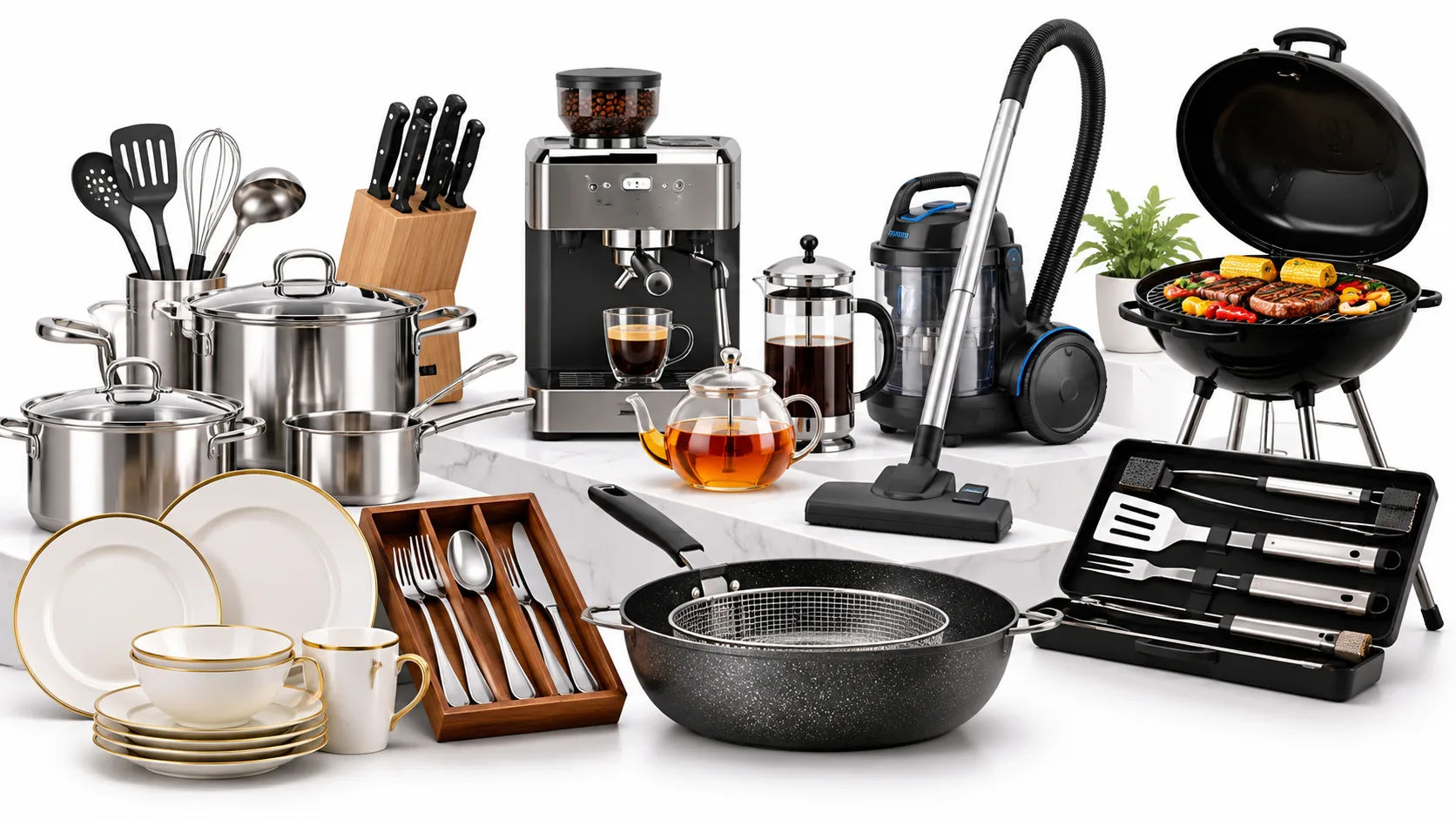
Whether you are serving tea, coffee, or other hot beverages, understanding the purpose of Claytan saucer sets can help you get the most out of your dinnerware collection. These sets can be incorporated into everyday routines, family gatherings, afternoon tea sessions, and formal occasions. Their appearance and practical design make them useful additions to a coordinated dining collection.
However, using saucers involves more than simply placing a cup on a plate. You should understand proper placement, serving techniques, cleaning methods, storage practices, and ways to coordinate them with other tableware. With a little attention, you can maintain their appearance while creating a comfortable and organised dining environment.
Purpose of Saucer Sets
Claytan saucer sets shallow plate designed to accompany a cup. It usually has a slightly raised centre or a shaped area that helps hold the cup securely.
Although saucers are commonly associated with tea and coffee, they serve several practical purposes.
Protecting Dining Surfaces
One of the main purposes of a saucer is to protect tables, countertops, and other surfaces from moisture and accidental spills.
When someone places a warm cup directly on a wooden or polished table, condensation or spilled liquid can leave marks. A saucer provides an additional layer between the cup and the furniture.
It also catches small drips that may fall while drinking or stirring a beverage.
Improving Beverage Presentation
Saucers make beverage serving look more organised. A cup placed on a matching saucer creates a coordinated appearance that works well in homes, restaurants, offices, and hospitality settings.
The combination gives guests a more complete serving experience.
Providing Additional Convenience
Saucers can also hold small accessories, depending on their design and size.
For example, you may use them to place a teaspoon, a small biscuit, or a wrapped sugar portion. However, avoid overcrowding the surface because the cup should remain stable.
Preparing Claytan Saucer Sets Before Use
Before using a new dinnerware collection, it is important to prepare every piece properly. Initial cleaning removes packaging dust and any residue left from storage or transportation.
Inspect Every Piece
Start by unpacking the saucers carefully and placing them on a clean, flat surface.
Check each piece for visible cracks, chips, sharp edges, or unusual damage. Pay particular attention to the centre where the cup sits.
A damaged saucer may not provide reliable support. It is better to separate damaged pieces instead of using them for serving.
Wash Before the First Use
Wash the saucers with warm water and mild dishwashing liquid.
Use a soft sponge or non-abrasive cleaning cloth to remove dust and surface residue. Rinse thoroughly to remove all soap.
Dry each piece with a clean kitchen towel or allow it to air-dry on a suitable rack.
Avoid using rough cleaning pads because they may scratch decorative finishes.
Organise the Collection
After cleaning, arrange the saucers according to their size, design, or matching cups.
Keeping matching pieces together makes it easier to prepare a coordinated table setting whenever you need them.
How to Use Claytan Saucer Sets Correctly
Using a saucer properly is simple, but a few basic practices can make serving safer and more comfortable.
Step 1: Choose the Matching Cup
Select a cup that fits comfortably within the saucer's central area.
The cup should sit evenly without rocking or extending too far beyond the supporting surface.
Using a matching cup and saucer generally creates a more balanced appearance. However, compatible pieces from different collections can also work if their dimensions and designs complement one another.
Step 2: Place the Saucer on a Flat Surface
Before adding the cup, place the saucer on a stable dining table, serving tray, or countertop.
Check that the surface is dry and level.
An uneven surface may cause the cup to move, increasing the possibility of spills. If you are serving hot beverages, stability should always be a priority.
Step 3: Position the Cup Properly
Place the cup gently in the centre of the saucer.
Avoid dropping it or pushing it across the surface. Gentle placement reduces unnecessary friction and helps protect the finish.
Make sure the handle is positioned comfortably for the person who will use the cup.
For a formal table setting, handles are often turned slightly to the right, although the arrangement can be adjusted to suit individual needs.
Step 4: Serve the Beverage Carefully
Once the cup is positioned, pour the tea or coffee carefully.
Avoid filling the cup completely because beverages can spill when the cup is moved. Leaving a little space at the top makes handling easier.
If the beverage is especially hot, allow it to settle briefly before carrying the cup and saucer together.
Step 5: Carry the Cup and Saucer Safely
For individual servings, hold the saucer with one hand while keeping the cup stable.
A practical approach is to support the underside of the saucer with your palm and fingers. Use your other hand to steady the cup when necessary.
Avoid carrying several hot servings in one hand, particularly when moving through crowded areas.
Using Saucer Sets for Different Occasions
One advantage of saucers is their versatility. They can be used in several settings without requiring complicated arrangements.
Everyday Tea and Coffee
For everyday use, keep the arrangement simple.
Place the matching cup in the centre of the saucer and serve the beverage with a teaspoon nearby. You can also place a small biscuit beside the cup if there is enough room.
This arrangement works well for breakfast, afternoon tea, and casual conversations.
Formal Dining Occasions
Formal occasions often require more attention to presentation.
Use clean, matching cups and saucers, and arrange them consistently across the table. Make sure every guest receives a complete serving set.
You can coordinate the saucers with dinner plates, serving dishes, and other table accessories.
Avoid placing unnecessary decorative items on the saucer because they may interfere with the cup.
Family Gatherings
During family gatherings, saucers provide a practical way to serve multiple guests.
Arrange the cups and saucers on a serving tray before guests arrive. Keep additional pieces nearby so that replacements are available when needed.
If children are present, place hot drinks away from table edges and supervise their use of hot beverages.
Office and Meeting Rooms
Saucers are also useful when serving refreshments during meetings.
They help prevent coffee drips from reaching desks, documents, and electronic equipment.
Arrange each cup and saucer neatly before serving. This small detail can make a professional environment feel more organised.
Creative Ways to Use Saucer Sets
Although their main purpose is serving beverages, saucers can sometimes be used for other practical activities.
Serving Small Snacks
A saucer may be suitable for small portions of biscuits, chocolates, nuts, or other light snacks.
This can be especially convenient when serving tea to one or two guests.
However, avoid placing large or heavy food portions on a saucer that is designed primarily for cup support.
Holding Teaspoons
A saucer can provide a convenient place for a teaspoon after stirring tea or coffee.
This prevents the spoon from touching the table directly and helps keep the dining area tidy.
Make sure the spoon fits comfortably without interfering with the cup.
Decorating a Coffee Station
If you have a dedicated coffee or tea corner, arrange matching saucers beside your cups.
This creates an attractive display while keeping essential serving pieces accessible.
You can also coordinate them with a coffee machine, storage jars, and a small tray.
Serving Individual Desserts
Depending on their size and design, some saucers may be suitable for presenting small desserts.
A chocolate, miniature pastry, or bite-sized sweet can make a beverage serving feel more special.
Always check that the saucer is suitable for direct food contact before using it this way.
Cleaning and Maintaining Your Saucer Sets
Regular cleaning is essential for maintaining the appearance and usability of dinnerware.
Even when saucers appear clean, small amounts of tea, coffee, sugar, and food residue can remain on their surfaces.
Wash After Every Use
Wash saucers soon after serving whenever possible.
Tea and coffee stains can become more difficult to remove if they remain for long periods.
Use warm water, mild dishwashing liquid, and a soft sponge. Rinse each piece thoroughly.
Remove Tea and Coffee Stains
Some beverages can leave brown marks, particularly when cups drip onto saucers.
For ordinary stains, soak the affected piece in warm water with mild dishwashing liquid before washing.
If marks remain, use a cleaning method approved for the particular material and decorative finish.
Avoid aggressive chemicals, metal scrubbers, and abrasive powders because they may damage the surface.
Dry Properly
After washing, dry the saucers using a clean, soft towel.
Pay attention to the edges and underside, where water droplets can remain.
Allowing dinnerware to dry completely before storage helps prevent moisture from collecting between stacked pieces.
Check the Manufacturer's Care Instructions
Not every dinnerware collection has identical care requirements.
Before using a dishwasher or microwave, check the manufacturer's instructions for the exact product.
Do not assume that every ceramic saucer is microwave-safe or dishwasher-safe. Decorative metallic details and certain finishes may require special care.
Proper Storage Practices
Correct storage helps prevent scratches, chips, and accidental breakage.
Stack Saucers Carefully
If the saucers are designed for stacking, arrange them in a stable pile.
Avoid creating excessively tall stacks because they may become difficult to lift safely.
Place heavier pieces at the bottom and lighter pieces above them.
Use Protective Separators
Soft protective separators can help reduce friction between stacked saucers.
These are particularly useful for delicate pieces or dinnerware with decorative surfaces.
Make sure the separators are clean and dry before placing them between items.
Choose a Suitable Storage Area
Store your collection in a clean, dry cupboard.
Keep it away from areas where objects may fall or where frequent movement could disturb the stack.
If you have limited cabinet space, organise your saucers by size so that they remain easy to access.
Avoid Rough Handling
When removing saucers from a cupboard, lift them carefully instead of pulling them across other pieces.
This reduces the risk of scratches and accidental impacts.
Common Mistakes to Avoid When Using Saucer Sets
Even simple dinnerware can become damaged through improper handling.
Understanding common mistakes can help you protect your collection.
Using an Incompatible Cup
A cup that is too large or too small may not sit securely.
Always check the dimensions and shape before combining different pieces.
Overfilling Cups
Overfilled cups are more likely to spill when carried.
Leave sufficient space at the top, particularly when serving hot tea or coffee.
Ignoring Small Cracks
Small cracks and chips may become worse over time.
Inspect saucers regularly and stop using pieces that are damaged, especially if sharp edges or structural weakness are present.
Using Harsh Cleaning Products
Strong chemicals and rough scrubbers may affect decorative surfaces.
Choose gentle cleaning products and follow the manufacturer's maintenance recommendations.
Storing Wet Dinnerware
Placing damp saucers directly into a cupboard can trap moisture.
Dry them properly before storage to maintain a clean and hygienic collection.
How to Create an Attractive Table Setting
A coordinated table setting can make ordinary meals feel more welcoming.
You do not need expensive decorations or complicated arrangements to achieve an attractive result.
Coordinate Colours and Patterns
Choose cups, saucers, and plates that complement one another.
Matching colours create a traditional appearance, while carefully selected contrasting shades can produce a more modern style.
If your saucers have detailed patterns, consider using simpler table accessories to avoid an overcrowded appearance.
Arrange Items Consistently
Place each cup and saucer in a similar position for every guest.
Keep enough space between servings so that people can comfortably pick up their cups.
Consistency makes the table look organised and improves convenience.
Add Simple Accessories
A clean tablecloth, small flower arrangement, or suitable serving tray can enhance the presentation.
Avoid placing decorations too close to hot beverages.
The main purpose of the arrangement should always be comfort and accessibility.
Maintain Cleanliness
Before guests arrive, check every cup and saucer for fingerprints, watermarks, and stains.
A clean presentation makes a positive impression and shows attention to detail.
Choosing the Right Saucer Sets for Your Home
If you are planning to purchase additional dinnerware, consider your household's everyday requirements.
The right collection should combine practical design, suitable dimensions, and an appearance that complements your existing tableware.
Consider the Number of Pieces
Think about how many people regularly use your dining area.
A smaller collection may be enough for an individual or couple, while larger households may need additional pieces.
It is also helpful to have a few spare saucers for guests.
Check Material and Durability
Dinnerware materials can differ in weight, appearance, and maintenance requirements.
Ceramic and porcelain products are popular choices because they can offer attractive finishes and practical everyday use.
However, durability depends on manufacturing quality, material composition, and proper handling.
Evaluate Size and Shape
Choose saucers that provide enough space for their matching cups.
A slightly raised centre may help position the cup, while a wider surface can provide additional room for a teaspoon.
Consider how the shape will fit into your existing cupboard and dining arrangement.
Match Your Lifestyle
If you regularly entertain guests, a coordinated collection may be especially useful.
For everyday family use, practical designs that are easy to clean and store may be more important than elaborate decoration.
Selecting products according to your lifestyle helps ensure that your dinnerware remains useful over time.
Safety Tips for Everyday Use
Using saucers correctly also involves basic safety precautions.
Hot beverages can cause burns if they spill, so always handle cups carefully.
Keep saucers away from the edges of tables, particularly when children or pets are nearby.
Do not place a hot cup on a cold or wet saucer without considering the manufacturer's temperature guidance. Sudden temperature changes can damage certain ceramic materials.
Avoid using chipped or cracked pieces for serving.
When washing dinnerware, handle delicate pieces individually instead of placing them loosely into a crowded sink.
These small precautions can help prevent accidents and protect your collection.
Conclusion
Learning how to use Claytan saucer sets properly can improve everyday beverage serving while making your dining table look more organised and attractive. These useful dinnerware accessories help support cups, catch small spills, protect furniture, and create a coordinated presentation for different occasions.
The best way to use them is to begin with proper preparation. Inspect each piece, wash it before its first use, and choose cups that fit securely. Place the saucer on a stable surface, position the cup carefully, and serve beverages without overfilling them. When carrying hot drinks, use both hands when necessary and avoid unnecessary movement.
Regular maintenance is equally important. Wash saucers after use, remove stains with gentle cleaning methods, and dry them completely before storage. Protective separators, careful stacking, and suitable cupboard arrangements can help prevent scratches and accidental damage.
You can also use saucers creatively for small snacks, teaspoons, and individual desserts, provided their size and material make them suitable. For special occasions, coordinate their colours and patterns with your existing dinnerware to create a welcoming table setting.
Ultimately, good dinnerware care comes down to thoughtful handling, regular cleaning, and choosing suitable serving arrangements. By following these practical guidelines, you can enjoy your Claytan saucer sets for everyday refreshments, family gatherings, and special dining occasions while maintaining their appearance and usefulness.
