
Starting a fresh ladder in Diablo 2 Resurrected can feel overwhelming. The item system is deep, prices swing wildly in the first days, and one bad trade can set a new character back an entire weekend. This guide walks through how a newer player should approach gear shopping without wasting currency or confidence, and it applies just as well whether you are on your first season or your fifth.
First, understand what you actually need. New players often chase famous uniques before their character can even use them well. A better approach is to list your three biggest pain points, usually damage, survival, and movement, and fix those in order. When you browse a D2R ladder items listing, shop against that list instead of impulse. It sounds obvious, yet it prevents most regret purchases, because the listing pages are long and the shiny things at the top are rarely the things your character needs this week.
Second, learn the difference between convenience and power. Some purchases save hours; others only add a small stat bump. The convenient category includes things like keys, low runes for early runewords, and leveling uniques. The power category includes endgame runeword bases and high rune packages. If you decide to use a D2R store for any of it, start with the convenience tier, see how the process feels, and scale up only if it genuinely improves your season. Most players who regret their spending regret skipping this step.
Timing is the next variable worth understanding. Prices on leveling gear peak in the first seventy two hours of a ladder and drop sharply once the initial rush passes, while endgame items behave in reverse, starting expensive and softening as supply grows. A new player who knows this can simply delay the big purchases by a week or two and save a meaningful chunk of currency without changing anything else. Patience is the cheapest upgrade in the entire game, and unlike every other upgrade, it never rolls poorly and never needs rerolling.
Scam awareness belongs in any shopping guide, even when using established channels. The classic tricks never really change: swapped items at the confirmation screen, price confusion between similar looking uniques, and too good to be true offers from brand new accounts. Slow down at the trade window, read the item a second time, and never rush a deal because someone is pushing urgency. Nine out of ten scams rely entirely on the victim feeling hurried. The tenth relies on greed, and no guide can fix that one.
Build knowledge matters just as much as gear. Before spending on anything big, watch how your chosen build actually plays at endgame. For example, the newer Warlock playstyle has picked up a lot of attention this season, and it is worth studying before you commit currency to it. This breakdown of a 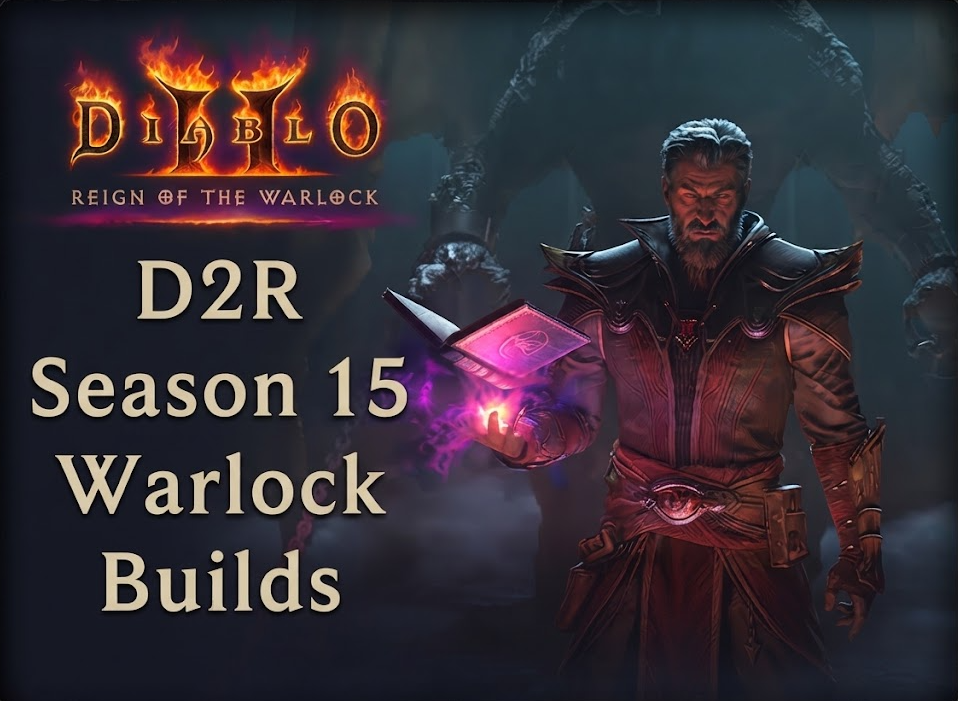 gives you a quick visual reference for the core setup and skill priorities, so you can see what the finished character is aiming at before you spend a single rune on the path toward it.
Reading a listing correctly is a small skill of its own. Sort by what your build needs rather than browsing top to bottom, check whether an item is ladder exclusive or carries over to standard play, and compare at least two sellers before committing to anything expensive. A few habits that separate careful shoppers from frustrated ones:
- Check what is tradeable on ladder versus what only matters in non ladder play.
- Compare two or three sources before committing any serious amount of currency.
- Keep a small rune reserve so you can react when a good deal appears in trade chat.
- Write down your gear targets before opening a store page, and close the page when the list is done.
Budget splitting is the last piece of the puzzle. A simple rule that works for most first seasons is the fifty thirty twenty split: half your currency goes to the items that unblock farming, thirty percent goes to survival and comfort pieces, and twenty percent stays reserved for opportunities. That reserve matters more than beginners expect, because mid season bargains appear suddenly and reward players with liquid currency. Players who spend everything the moment they can afford something almost always end up selling that purchase at a loss two weeks later.
One question comes up constantly from first season players: is it worth buying anything at all, or is every purchase a confession that you failed the grind? The honest answer is that the game charges you in one of two currencies, time or money, and every player chooses their own exchange rate. A student with endless evenings pays in time. A working adult with two free hours a night often pays in currency and enjoys the game more for it. Neither approach is wrong, and the community is far less judgmental about shopping than newcomers expect. What actually draws criticism is buying blindly, without a build plan, and ending up with a stash full of impressive items that do not fit together.
Finally, remember that the store is a tool, not a strategy. The players who get the most out of early shopping are the ones who already know their build, know their gaps, and buy with purpose. Do a little homework, spend carefully, and your first ladder season will feel far less punishing than the stories suggest.
