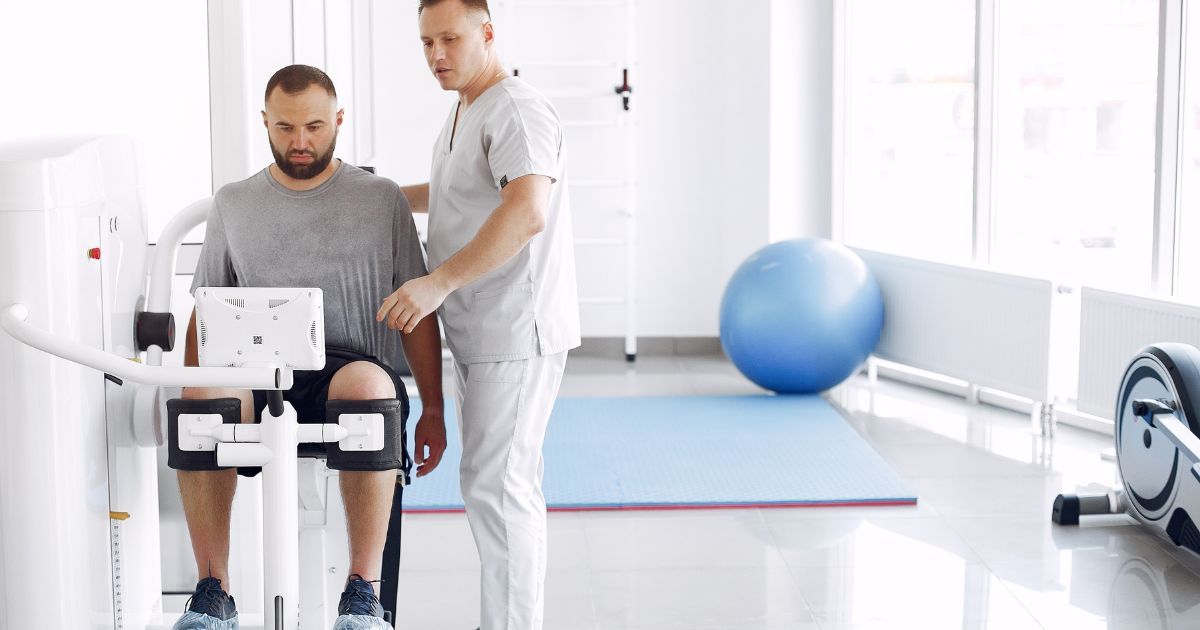
When considering recovery from addiction, the choice of treatment program can make a significant difference in outcomes. For individuals seeking personalized care without completely disrupting daily life, a luxury addiction treatment center CA offers outpatient services designed to combine high-quality care with comfort, privacy, and flexibility.
Luxury outpatient programs provide a level of sophistication and individualized attention often associated with residential programs, while still allowing patients to maintain their professional, family, and social responsibilities.
Luxury outpatient programs are particularly appealing for those who need structured treatment but do not require 24-hour supervision. They cater to individuals who are motivated to recover while remaining in their home environment.
This comprehensive guide explores what a luxury addiction treatment center CA offers in an outpatient setting, who it’s right for, and how to determine if it’s the best fit for your recovery journey.
Luxury Outpatient Programs
Luxury outpatient treatment programs are specialized rehabilitation services that focus on providing intensive therapy in a comfortable, high-end environment. Unlike traditional outpatient programs, which often take place in standard clinical settings, luxury outpatient centers offer amenities such as private therapy rooms, spa-like facilities, personalized meal plans, and concierge services. The goal is to provide the same quality of treatment as inpatient care without the need for overnight stays.
These programs usually operate during the day, allowing participants to attend therapy sessions, medical appointments, and group activities while returning home in the evening. This approach is ideal for individuals who have strong support systems at home or whose lives cannot accommodate full-time residential care.
Luxury outpatient programs integrate a variety of therapeutic approaches, including:
-
Individual therapy
-
Group therapy
-
Family counseling
-
Cognitive-behavioral therapy (CBT)
-
Holistic therapies like yoga, meditation, and art therapy
By combining evidence-based treatments with a high level of comfort, luxury outpatient programs can be both effective and enjoyable for participants.
Key Features of Luxury Outpatient Programs
Luxury outpatient programs are designed to offer more than just treatment—they focus on the overall well-being of the individual. Some of the key features include:
Personalized Treatment Plans
Every patient has a unique recovery journey, and luxury outpatient programs emphasize individualized care. Treatment plans are tailored to address specific addictions, co-occurring mental health conditions, and personal goals.
Flexible Scheduling
Outpatient programs allow patients to attend therapy sessions around their work or school commitments. Luxury centers often provide evening or weekend options, ensuring that treatment is accessible without causing major disruptions to daily life.
Comprehensive Support Services
Luxury outpatient centers provide a range of supportive services beyond traditional therapy. This may include nutrition counseling, fitness programs, life coaching, and wellness workshops. The goal is to promote holistic recovery and long-term health.
Discreet and Comfortable Environment
Privacy and comfort are essential aspects of luxury outpatient care. Facilities often resemble high-end wellness centers rather than medical clinics, providing an atmosphere conducive to healing while respecting patient confidentiality.
Access to Specialists
Luxury outpatient programs often employ specialists in addiction medicine, psychiatry, nutrition, and holistic health. This multi-disciplinary approach ensures that every aspect of recovery is addressed comprehensively.
Who Benefits Most from Luxury Outpatient Care?
Not everyone requires intensive residential care. Luxury outpatient programs are ideal for individuals who are motivated, have a supportive home environment, and require treatment that fits around their existing responsibilities. Below are some groups that may benefit most from luxury outpatient care.
Working Professionals
Many people struggling with addiction cannot take extended leave from their jobs. Luxury outpatient programs allow them to receive high-quality treatment while continuing to meet professional obligations. Flexible scheduling, evening sessions, and personalized plans make it possible to maintain career stability while focusing on recovery.
Individuals with Family Responsibilities
Parents or caregivers may find it difficult to commit to residential treatment. Luxury outpatient programs allow them to stay connected with their family while attending therapy sessions. Family counseling is often integrated into treatment to ensure that relationships are supported during the recovery process.
People with Mild to Moderate Addiction
Luxury outpatient care is most effective for individuals whose addiction is not severe enough to require 24-hour supervision. These programs are suitable for those who have developed a stable routine and are capable of managing triggers in a structured outpatient environment.
Individuals Seeking Holistic or Personalized Care
Luxury outpatient programs often incorporate holistic therapies such as yoga, mindfulness, and nutritional guidance. People seeking a comprehensive approach to healing—addressing mental, emotional, and physical health—may find luxury outpatient care especially beneficial.
Those Transitioning from Inpatient Care
Some individuals may start their recovery in an inpatient or residential program and then transition to outpatient care. Luxury outpatient programs offer continuity of care, allowing patients to gradually reintegrate into daily life while still receiving structured support.
Signs That Luxury Outpatient May Be the Right Choice
Determining whether luxury outpatient treatment is appropriate requires an honest evaluation of your personal needs and lifestyle. Consider the following signs:
-
You have a stable home environment and supportive relationships.
-
Your addiction is moderate and manageable with structured therapy.
-
You are highly motivated to engage in recovery while maintaining daily responsibilities.
-
You seek privacy and comfort in a treatment setting.
-
You are interested in a holistic approach that addresses mental, emotional, and physical well-being.
If these criteria align with your situation, luxury outpatient care may provide the ideal balance of support and flexibility.
Differences Between Luxury Outpatient and Residential Treatment
Understanding the differences between luxury outpatient and residential treatment can help determine which option is most appropriate.
| Feature | Luxury Outpatient | Residential/Inpatient |
|---|---|---|
| Living Arrangements | Live at home | Live at the facility |
| Supervision | Limited to therapy hours | 24/7 supervision |
| Schedule Flexibility | High | Structured and fixed |
| Comfort & Amenities | High-end environment, privacy | Standard clinical environment, sometimes luxury options |
| Suitable For | Mild to moderate addiction, motivated patients | Severe addiction, co-occurring disorders requiring constant monitoring |
| Cost | Typically lower than residential | Higher due to full-time care |
Luxury outpatient care provides flexibility and comfort while still delivering a structured recovery plan. It is not a substitute for inpatient care when full supervision is required, but it is highly effective for motivated individuals.
Key Therapies in Luxury Outpatient Programs
Luxury outpatient programs integrate a variety of therapeutic modalities to ensure a well-rounded approach to recovery. Some of the most common therapies include:
Individual Therapy
One-on-one sessions with a licensed therapist allow patients to explore underlying causes of addiction, address personal challenges, and develop coping strategies. Individual therapy is the cornerstone of most luxury outpatient programs.
Group Therapy
Group therapy offers peer support and fosters a sense of community. Participants can share experiences, learn from others, and practice social skills in a safe environment.
Family Therapy
Addiction impacts the entire family. Family counseling helps rebuild relationships, improve communication, and create a supportive home environment that encourages long-term recovery.
Cognitive Behavioral Therapy (CBT)
CBT is an evidence-based approach that helps individuals identify and change negative thought patterns and behaviors associated with addiction. It is highly effective in outpatient settings.
Holistic Therapies
Luxury outpatient programs often include yoga, meditation, art therapy, and fitness programs. These therapies promote overall well-being, reduce stress, and improve emotional resilience.
Medical and Psychiatric Support
Many programs offer access to medical professionals and psychiatrists to address co-occurring disorders, manage withdrawal symptoms, and provide medication-assisted treatment if needed.
The Role of Aftercare in Luxury Outpatient Programs
Aftercare is a critical component of any successful recovery program. Luxury outpatient centers provide ongoing support even after the formal treatment program ends. This may include:
-
Follow-up therapy sessions
-
Alumni support groups
-
Continued family counseling
-
Relapse prevention planning
By integrating aftercare, luxury outpatient programs help patients maintain long-term sobriety and prevent relapse.
Advantages of Luxury Outpatient Programs
Luxury outpatient programs offer a unique set of advantages compared to traditional treatment:
-
Flexibility: Patients can continue daily routines while attending therapy sessions.
-
Privacy: Discreet services and high-end facilities provide confidentiality.
-
Personalization: Individualized care plans address unique needs and goals.
-
Holistic Healing: Comprehensive wellness programs improve overall health.
-
Accessibility: Evening and weekend sessions accommodate busy lifestyles.
These benefits make luxury outpatient programs a strong option for those seeking effective, high-quality care without the constraints of residential treatment.
Challenges and Considerations
While luxury outpatient programs offer numerous benefits, there are some considerations:
-
Self-Discipline Required: Patients must manage triggers and avoid relapse independently outside therapy hours.
-
Support System Needed: A strong home environment is essential for success.
-
Not Suitable for Severe Addiction: Individuals with severe addiction or high-risk behaviors may require inpatient care.
-
Cost: Luxury programs can be expensive, though often more affordable than residential treatment.
Evaluating these factors carefully will help determine whether luxury outpatient care is the right choice.
Tips for Choosing the Right Luxury Outpatient Program
Selecting the right program is critical for success. Here are some tips:
-
Research Credentials: Ensure the program is accredited and staffed by licensed professionals.
-
Assess Treatment Approaches: Look for evidence-based therapies combined with holistic options.
-
Consider Amenities: While luxury is appealing, prioritize programs with quality care and professional expertise.
-
Check Flexibility: Confirm the program can accommodate your schedule and lifestyle.
-
Evaluate Aftercare Options: Ongoing support is crucial for maintaining recovery.
By carefully evaluating these factors, you can choose a program that supports your specific needs and goals.
Conclusion
Luxury outpatient programs offer a unique approach to addiction recovery, combining high-quality care, personalized attention, and comfortable environments. They are ideal for motivated individuals with moderate addiction, a supportive home environment, and the ability to manage daily responsibilities alongside therapy. These programs integrate evidence-based treatments, holistic therapies, and ongoing aftercare, ensuring a comprehensive recovery experience.
While luxury outpatient programs are not suitable for everyone, they provide an effective and flexible option for those seeking a sophisticated, individualized approach to addiction recovery. If you are considering treatment and want a balance between professional support and everyday life, a luxury addiction treatment center CA may be the perfect solution.
By choosing the right program and committing fully to the recovery process, individuals can achieve lasting sobriety while enjoying the comfort, privacy, and personalized care that luxury outpatient programs offer.