
Access to reliable medical equipment is an important part of providing safe and comfortable care at home. Patients recovering from surgery, managing long-term illnesses, or dealing with temporary mobility problems often need specialised equipment to support their daily activities. However, renting medical equipment involves more than simply receiving a machine or device. Patients and caregivers may also need installation assistance, operating instructions, maintenance, and technical guidance.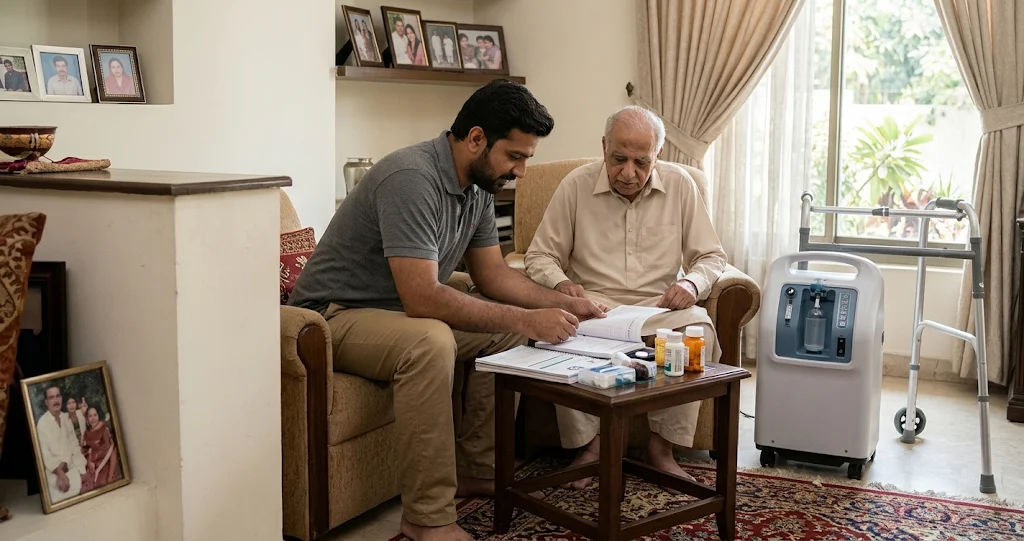
One of the most important questions families ask before choosing a rental provider is whether assistance will remain available after the equipment has been delivered. Medical Equipment rental Lahore services can offer valuable support by helping patients select suitable devices, understand their operation, and arrange assistance when problems occur. The level of support depends on the provider, the rental agreement, and the type of equipment being rented.
Understanding what support is available can help families make informed decisions. It also reduces uncertainty for caregivers who may be using medical devices for the first time. From equipment selection to maintenance and replacement arrangements, knowing what to expect makes the rental experience more convenient and reliable.
Medical Equipment Rental Support
Medical equipment rental support refers to the services a rental company provides before, during, and sometimes after the rental period. These services are designed to help customers use rented equipment safely and manage common problems.
Support can be particularly important for families caring for elderly individuals, patients with limited mobility, and people recovering from medical procedures.
A reliable provider should explain the available services clearly before completing a rental agreement.
What Does Support Usually Include?
The type of assistance varies between rental companies, but several services are commonly available.
These may include:
-
Guidance when selecting suitable medical equipment.
-
Delivery and installation assistance.
-
Basic instructions for operating devices.
-
Maintenance and technical assistance.
-
Information about cleaning and equipment care.
-
Troubleshooting when equipment stops working correctly.
-
Replacement arrangements for faulty equipment, subject to the agreement.
-
Guidance about rental duration and extensions.
Not every company provides all these services. Therefore, customers should confirm the details before making a booking.
Why Support Matters to Patients and Caregivers
Medical equipment can sometimes appear complicated, especially to someone who has never used it before.
For example, an electric hospital bed may have several adjustment controls. An oxygen concentrator may require specific operating conditions, while a wheelchair must be adjusted correctly for comfort and safety.
Without proper guidance, users may struggle with basic functions or accidentally misuse the equipment.
Good customer support helps reduce these difficulties and gives caregivers greater confidence when managing everyday responsibilities.
Types of Medical Equipment That May Require Assistance
Different medical devices have different operating requirements. Some require little technical knowledge, while others need careful installation and professional instructions.
Medical Equipment rental Lahore these differences helps customers determine how much support they should expect.
Hospital Beds
Hospital beds are commonly rented for patients who need extended bed rest, assistance with repositioning, or additional comfort during recovery.
Rental providers may assist with delivery, assembly, and explaining the bed's adjustment controls.
Caregivers should learn how to operate the head and leg adjustments, use the safety rails, and check that the bed remains stable.
If an electric bed stops responding, customers should contact the provider rather than attempting complicated electrical repairs themselves.
Wheelchairs and Mobility Equipment
Oxygen concentrators are used by patients who have been prescribed supplemental oxygen.
These machines require particular attention because incorrect operation can affect patient safety.
A provider may explain the machine's controls, filters, power requirements, and basic maintenance procedures.
However, oxygen flow settings must be prescribed by a qualified healthcare professional. Customers should never change prescribed settings simply because a machine appears to be delivering insufficient oxygen.
It is also important to understand what to do during a power failure and whether backup arrangements are necessary.
Patient Monitors
Patient monitoring devices can measure different health indicators, depending on the model.
Rental support may include explaining the display, alarms, sensors, and basic operating instructions.
Caregivers should understand that monitoring equipment does not replace professional medical assessment. Unexpected readings or concerning symptoms should be discussed with a healthcare professional.
How Medical Equipment Rental Lahore Providers Assist Customers
Choosing a rental provider involves considering more than equipment availability. The quality of customer assistance can influence the overall experience.
When comparing Medical Equipment rental Lahore providers, customers should look for clear communication and practical support throughout the rental period.
Assistance Before Renting
The support process should begin before the equipment is delivered.
Customers may not know which device or model is suitable for their situation. A helpful provider can explain available options, differences between models, rental charges, and basic requirements.
For instance, a family looking for a hospital bed should ask whether manual and electric models are available.
Similarly, someone renting a wheelchair should discuss the patient's weight, mobility requirements, and intended usage.
The provider should avoid making unsupported medical recommendations. Equipment selection should consider the advice of the patient's doctor or rehabilitation specialist.
Delivery and Installation Assistance
Some medical devices require assembly or positioning before they can be used.
Delivery assistance can make this process easier, particularly when equipment is heavy or difficult to handle.
Customers should confirm whether the delivery service includes installation or whether installation carries an additional charge.
They should also check that the equipment fits through doorways, corridors, and other access points.
Before accepting delivery, caregivers should inspect the device for visible damage and confirm that all necessary accessories are included.
Operating Instructions and Demonstrations
Instructions are especially important for equipment with electrical controls, moving components, or technical settings.
A responsible provider should explain basic operation in language that customers can understand.
A demonstration may cover:
-
Turning the equipment on and off.
-
Identifying important controls.
-
Understanding basic warning indicators.
-
Cleaning frequently handled surfaces.
-
Recognising common operating problems.
-
Contacting support when assistance is needed.
Caregivers should ask questions whenever something is unclear.
Written instructions are also helpful because family members may need to review the operating procedure later.
Does Rental Support Include Maintenance and Repairs?
Maintenance is an important consideration when renting medical equipment.
Devices used regularly can experience wear, electrical problems, loose components, or other technical issues. Proper maintenance helps ensure that equipment remains functional throughout the rental period.
However, maintenance arrangements differ between companies.
Routine Equipment Maintenance
Some rental providers inspect their equipment before delivering it to customers.
These inspections may involve checking electrical connections, moving parts, batteries, wheels, brakes, and other essential components.
The inspection requirements depend on the equipment type.
Customers should ask when the equipment was last serviced and whether routine maintenance is included in the rental price.
They should also understand which cleaning and maintenance responsibilities belong to the customer.
Technical Repairs
If rented equipment develops a fault, customers should contact the rental company promptly.
The provider may offer troubleshooting instructions, arrange a technician visit, or recommend returning the equipment for inspection.
The rental agreement should explain whether repair services are included and whether customers must pay for damage caused by misuse.
Never attempt to repair complicated medical equipment without appropriate technical knowledge.
Opening electrical components, modifying settings, or replacing internal parts without authorisation can create additional safety risks.
Equipment Replacement
Replacement support can be especially valuable when a device becomes unusable.
For example, a patient relying on an electric hospital bed may experience difficulties if its adjustment mechanism stops working.
A rental company may offer another unit while the original device is being repaired. However, this is not guaranteed and should be confirmed before renting.
Customers should ask about replacement availability, response times, and any additional charges.
How to Choose a Provider That Offers Reliable Support
Not every rental provider offers the same level of customer service. Comparing companies carefully can help families avoid unnecessary complications.
Check the Company's Experience
Experience can be useful when evaluating a rental company.
Providers familiar with medical equipment may understand common operating requirements, delivery challenges, and customer concerns.
Ask how long the company has been providing rental services and which equipment categories it handles.
A provider should also be able to explain its inspection and maintenance procedures.
Ask About Customer Service Availability
Medical equipment may be needed throughout the day and night.
Although not every rental company operates a 24-hour support service, customers should know when assistance is available.
Ask whether support is provided through telephone calls, messaging services, or technician visits.
It is also useful to identify the correct contact person for urgent equipment problems.
Read the Rental Agreement Carefully
A rental agreement explains the responsibilities of both parties.
Before signing, customers should review:
-
Monthly or weekly rental charges.
-
Security deposits, if applicable.
-
Delivery and collection fees.
-
Maintenance responsibilities.
-
Repair and replacement conditions.
-
Equipment damage policies.
-
Rental extension procedures.
-
Cancellation and return arrangements.
Clear written terms reduce the risk of misunderstandings later.
Evaluate Equipment Condition
Customer support cannot compensate for poorly maintained equipment.
Before accepting a device, inspect its visible condition and ask whether it has undergone appropriate servicing.
Check electrical cables, switches, wheels, brakes, mattress surfaces, and accessories where relevant.
If something appears damaged or does not function correctly, report it immediately.
What Questions Should You Ask Before Renting?
Asking the right questions can help you understand exactly what assistance a company provides.
Families should not hesitate to request clear answers before making a payment.
Questions About Delivery and Installation
Start by asking whether the company delivers equipment to your location.
Find out whether installation is included and whether staff members demonstrate how the device works.
For large equipment, confirm whether the delivery team will position it in the required room.
Questions About Maintenance and Repairs
Ask who should be contacted if the equipment develops a fault.
Find out whether technicians are available and whether repair visits involve additional charges.
You should also ask how quickly the company normally responds to equipment problems.
Questions About Replacement Policies
Ask whether the company provides replacement equipment when a rented device cannot be repaired immediately.
Find out whether a replacement unit is subject to availability and whether the rental charges change.
These details are particularly important when equipment plays an essential role in daily patient care.
Questions About Rental Extensions
Recovery periods do not always follow an exact schedule.
A patient may need a hospital bed or wheelchair for longer than originally expected.
Ask whether the rental period can be extended and how much additional time will cost.
Knowing the extension process can prevent unnecessary pressure when the original rental period approaches its end.
The Importance of Safety Instructions During Equipment Use
Medical equipment support should always include attention to safe operation.
Even relatively simple devices can cause problems if they are used incorrectly.
Follow Professional Medical Advice
Rental providers can explain how their equipment operates, but they should not replace doctors, nurses, or other qualified healthcare professionals.
Medical decisions must remain under appropriate professional supervision.
For example, caregivers should follow prescribed oxygen settings and use monitoring devices according to clinical instructions.
Similarly, rehabilitation equipment should be selected based on the patient's individual needs.
Keep Equipment in a Suitable Environment
The environment in which equipment is used can affect its performance.
Electrical devices should be kept away from water and excessive moisture.
Ventilation openings should remain unobstructed, and power cables should be positioned to prevent tripping.
Hospital beds should be placed on stable flooring, while wheelchairs should be checked before every transfer.
Train Family Members and Caregivers
It is helpful when more than one responsible person understands the equipment.
If the primary caregiver becomes unavailable, another family member should know how to operate basic controls and contact the provider.
Training also reduces confusion during emergencies.
However, complex medical procedures should only be performed by appropriately trained individuals.
Common Problems Customers May Experience
Understanding common rental challenges can help customers prepare for unexpected situations.
Delayed Equipment Delivery
Delivery delays can create difficulties when patients need equipment urgently.
Customers should confirm the expected delivery date and time before placing an order.
They should also ask whether the company provides updates if delivery schedules change.
Unclear Operating Instructions
Some customers receive equipment without sufficient explanation.
This can make caregivers uncomfortable, particularly when using electrical or specialised devices.
To prevent this problem, request a demonstration and ask for written instructions.
Do not begin using equipment if an important safety procedure remains unclear.
Unexpected Additional Charges
Some rental companies charge separately for transportation, installation, repairs, or accessories.
Customers should request a complete price breakdown before agreeing to the rental.
Understanding the financial terms helps families plan their budgets more effectively.
Limited Technical Support
A company may provide delivery services but have limited arrangements for repairs or replacements.
This can become a serious inconvenience if equipment stops working during the rental period.
Always confirm the available support channels and emergency arrangements before choosing a provider.
Is Medical Equipment Rental Suitable for Short-Term and Long-Term Care?
Medical equipment rental can support different patient needs.
The most suitable rental arrangement depends on the expected recovery period, equipment requirements, and financial considerations.
Short-Term Rental
Short-term rental is useful for patients recovering from surgery, injuries, or temporary mobility difficulties.
For example, someone who needs a wheelchair for a few weeks may prefer renting rather than purchasing one.
The provider should explain the minimum rental period, collection arrangements, and extension options.
Long-Term Rental
Long-term rental may be suitable for patients who require equipment for several months or longer.
In these situations, maintenance and technical support become particularly important.
Customers should compare long-term rental rates and understand whether regular servicing is included.
They should also ask about replacement arrangements if the equipment becomes unsuitable or develops a technical fault.
Choosing Between Renting and Buying
Renting can reduce the initial expense of obtaining medical equipment.
It also provides flexibility when patient requirements are temporary or likely to change.
Buying may be more practical when equipment is needed continuously for an extended period.
Families should compare the total rental cost with the purchase price, maintenance expenses, and expected usage period before deciding.
How Families Can Make the Most of Rental Support
A positive rental experience requires cooperation between the provider, patient, and caregiver.
Families can take several practical steps to receive better assistance.
First, explain the patient's requirements clearly when contacting the company. Mention the type of equipment needed, the expected rental duration, and any relevant size or accessibility requirements.
Second, request a demonstration before accepting the equipment. Take time to understand the important controls and safety procedures.
Third, keep the rental agreement, operating instructions, and support contact information in an accessible place.
Fourth, report unusual noises, warning indicators, electrical problems, or damaged components immediately.
Finally, maintain communication with the rental company if the patient's needs change.
These simple practices can prevent avoidable problems and make equipment management more organised.
Conclusion
Medical equipment rental services can provide much more than temporary access to hospital beds, wheelchairs, oxygen concentrators, and other essential devices. Depending on the company and its rental policies, customers may also receive assistance with equipment selection, delivery, installation, operating instructions, maintenance, troubleshooting, and replacement arrangements.
Choosing Medical Equipment rental Lahore services with clear customer support policies can make a significant difference for patients and their families. Proper guidance helps caregivers understand equipment operation, while reliable maintenance arrangements can reduce the inconvenience caused by technical problems.
However, customers should never assume that every rental provider offers the same services. Before signing an agreement, ask about delivery, installation, repair costs, technical assistance, replacement policies, and support availability. Make sure the equipment is properly inspected and that its operation is explained clearly.
It is equally important to remember that rental companies provide equipment-related assistance rather than replacing professional medical care. Doctors, nurses, and rehabilitation specialists should guide decisions involving patient treatment, medical settings, and specialised equipment requirements.
Ultimately, the best rental experience comes from choosing a provider that combines suitable equipment, transparent rental conditions, and dependable customer assistance. By checking these factors in advance, families can arrange home care more confidently and ensure that rented medical equipment supports the patient's comfort, mobility, and everyday needs.
